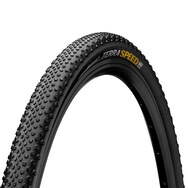
Continental · Terra Speed ProTection Cross/Gravel Tyre
2 Colors
- desde41,95 €
- 69,95 € PVPR
Continental · Terra Speed ProTection Cross/Gravel Tyre
2 Colors
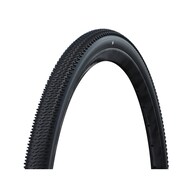
Schwalbe · G-ONE R PRO V-Guard Gravel Folding Tyre
2 Colors
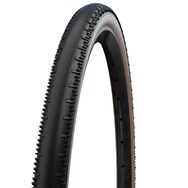
Schwalbe · G-ONE RS PRO V-Guard Gravel Folding Tyre
2 Colors
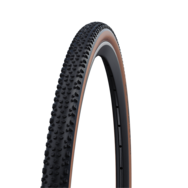
Schwalbe · X-One Allround Performance RaceGuard TLE Gravel Folding Tyre Bronze-Skin
2 Colors
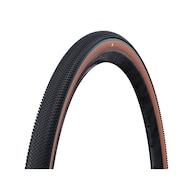
Schwalbe · G-ONE Allround Performance RaceGuard TLR Gravel Folding Tyre
4 Colors
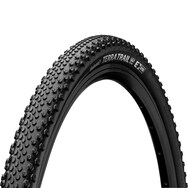
Continental · Terra Trail ShieldWall Cross/Gravel Tyre
2 Colors
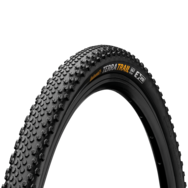
Continental · Terra Trail ProTection Cross/Gravel Tyre
2 Colors
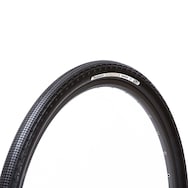
Panaracer · Gravelking SK TLC Folding Tyre
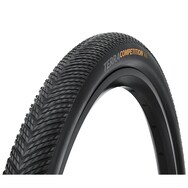
Continental · Terra Competition Race Rapid Gravel Tyre
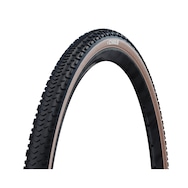
Schwalbe · G-ONE RX PRO V-Guard Gravel Folding Tyre
2 Colors
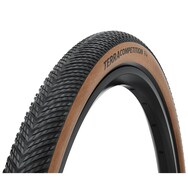
Continental · Terra Competition Trail Grip Gravel Tyre
2 Colors
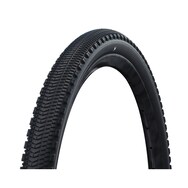
Schwalbe · G-ONE Overland Pro Evolution TLR Gravel Folding Tyre
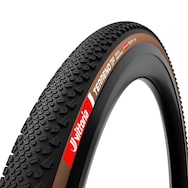
Vittoria · Terreno T50 mixed Gravel Endurance Folding Tyre
2 Colors
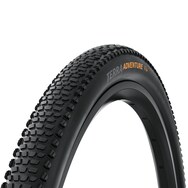
Continental · Terra Adventure Trail Grip Gravel Tyre
3 Colors
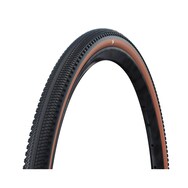
Schwalbe · G-ONE Comp K-Guard Gravel Clincher Tyre
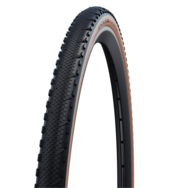
Schwalbe · X-ONE RS Evo Super Race V-Guard TLE Folding Tyre Transparent Skin
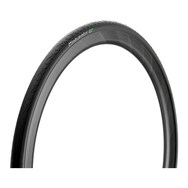
Pirelli · Cinturato Evo TLR Folding Road Tyre
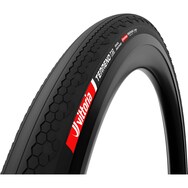
Vittoria · Terreno T10 Hardpack Gravel Endurance Folding Tyre
2 Colors
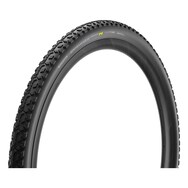
Pirelli · Cinturato Gravel M HP Gravel Tyre
2 Colors
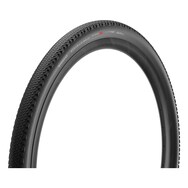
Pirelli · Cinturato Gravel H HP Gravel Tyre
2 Colors
The size or width of the tyre depends entirely on how you define your gravel bike and on which grounds you mainly ride. Some of the most common sizes for gravel tyres:
27,5"
-
27,5x1.20"
30-584
28"
700x30C
28x1.20"
30-622
27,5"
-
27,5x1.35"
35-584
28"
700x35C
28x1.35"
35-622
27,5"
-
27,5x1.50"
40-584
28"
700x40C
28x1.50"
40-622
27,5"
-
27,5x1.75"
47-584
28"
700x45C
28x1.75"
47-622
27,5"
-
27,5x2.00"
50-584
28" (29")
700x48C
28x2.00" (29x2.00")
50-622
Tyre widths of 30 or 50 mm are rarely used and only for very on-road or off-road oriented tyre models. The majority of all-round tyres has a tyre width between 35 mm and 45 mm. Except for: Cyclocross tyres usually have a size of 700x33C (ETRTO: 33-622), as the UCI does not allow wider tyres for cyclocross races.
The tyre tread pattern, like the tyre width, depends on the preferred use. Do you want to cover many kilometres and prefer to ride your gravel bike on the road and on easy forest paths? Or do you love shooting down gravel tracks and riding on easy trails? It is crucial to choose the right tyre, the number one tuning part on a gravel bike.
Narrow
Lightweight
Speed
Low
Low
Road, dry forest paths, fine gravel
Medium
Moderate
Versatility
Moderate
Good
Mixed terrain, coarse gravel, damp forest soils
Wide
Strong
Fun
High
High
Coarse gravel, wet natural ground, rocky ground, easy trails
In practice, there are also combinations of wide tyres with little tread pattern (more damping on the road, riding on sand) or narrow tyres with a deep tread pattern (mud tyres, cross tyres). Therefore, the table only provides a rough categorisation for basic understanding.
In short: More comfort, more traction, more puncture protection. The decisive factor here is not only the larger contact patch, but also the lower air pressure. But even if the frame and fork allow for very wide tyres, the sweet spot of the right tyre size is very individual and depends on many factors such as riding style and preferred ground conditions. However, it is worth experimenting with wider tyres. There is a reason why some riders switch from 28-inch to 27.5-inch wheels, which allow for wider tyres in the same frame.
Every manufacturer specifies maximum tyre widths for the frame and fork. The Rose Backroad (MY2020 until 2023), for example, allows for tyre widths of up to 45 mm for 700C and up to 47 mm for 650B. If you can't find out the maximum tyre width, you'll have to use your best judgement – at your own risk, of course. What’s important: It is not enough for the tyre to fit when the bike stands. You should always take into account the (sometimes considerable) twisting of the wheel when cornering, as well as the deformation of the tyre due to the rider's weight at a given air pressure. The tyre should therefore have several millimetres clearance on both sides to avoid rubbing against the chainstays or fork bars when riding.
A clear yes. Gravel and cross tyres benefit just as much from tubeless tyres sealed with liquid latex as their MTB counterparts. The most important advantages are:
You will already notice this on the road. However, the more you turn off the road, the more the aforementioned advantages come into play. Thanks to the wider tyres and lower air pressures – in contrast to road bikes – mounting is often easier and there are fewer problems with sealing.